Luxury Chocolates Vs. Affordable Chocolates: Is There Really a Difference?
A detailed comparison of premium and budget-friendly chocolates.
It’s hard to justify the price of something when we know that a cheaper version exists somewhere. Most likely in the same store (or aisle). Such is the justification involved when you’re out or browsing to buy chocolates.
There’s a chocolate bar, candy, or box available at every price. How do you figure out what’s worth the price and what’s just overpriced sameness?
What differentiates a luxury chocolate from an affordable one?
How do you explain the contrast in prices for a similar product?
Let’s dive in and find out.
Quality of Ingredients in Luxury vs. Affordable Chocolates
If you ask, “why are chocolates so expensive?” when looking at price tags, know that its ingredients must be better.
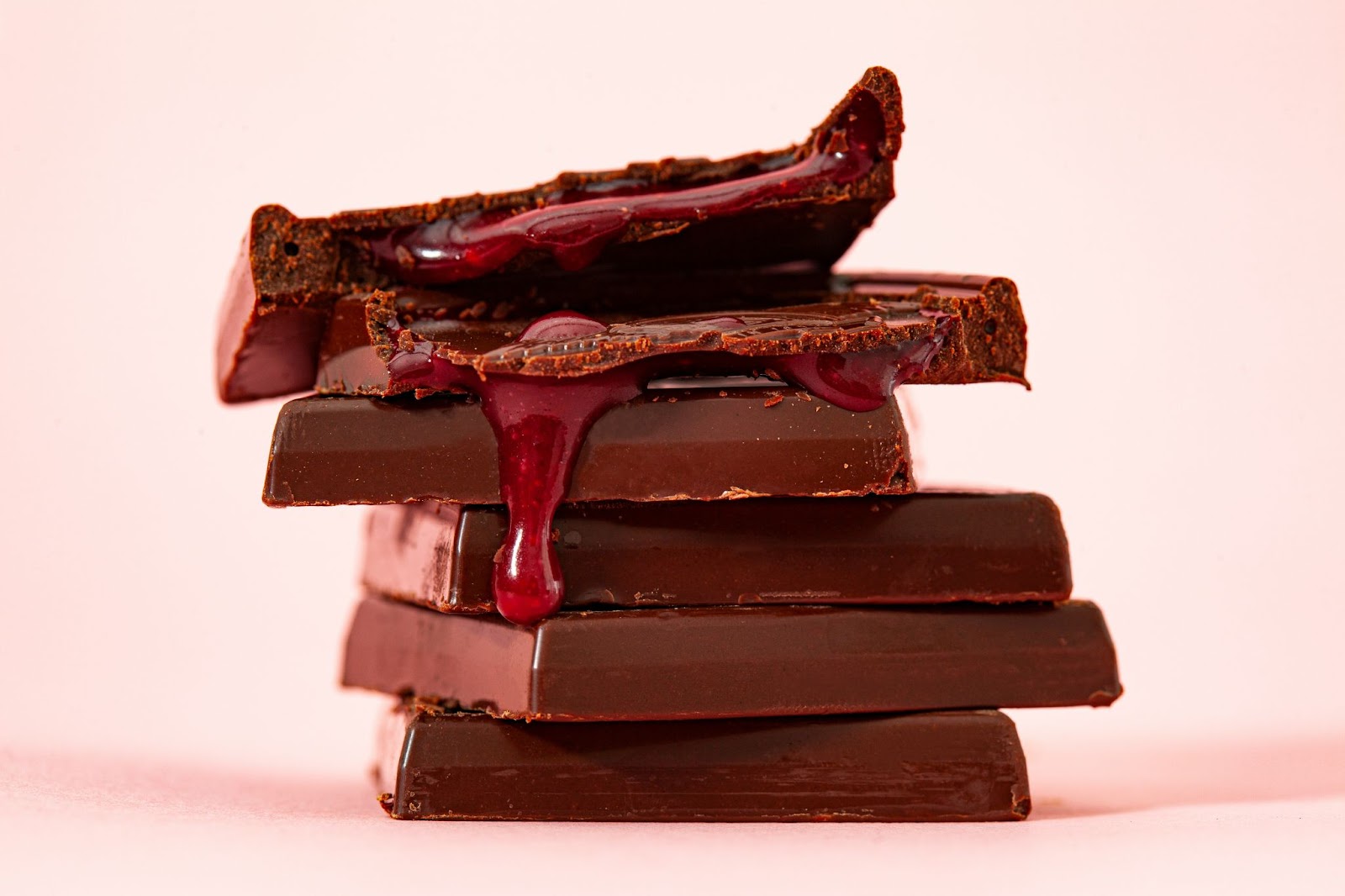
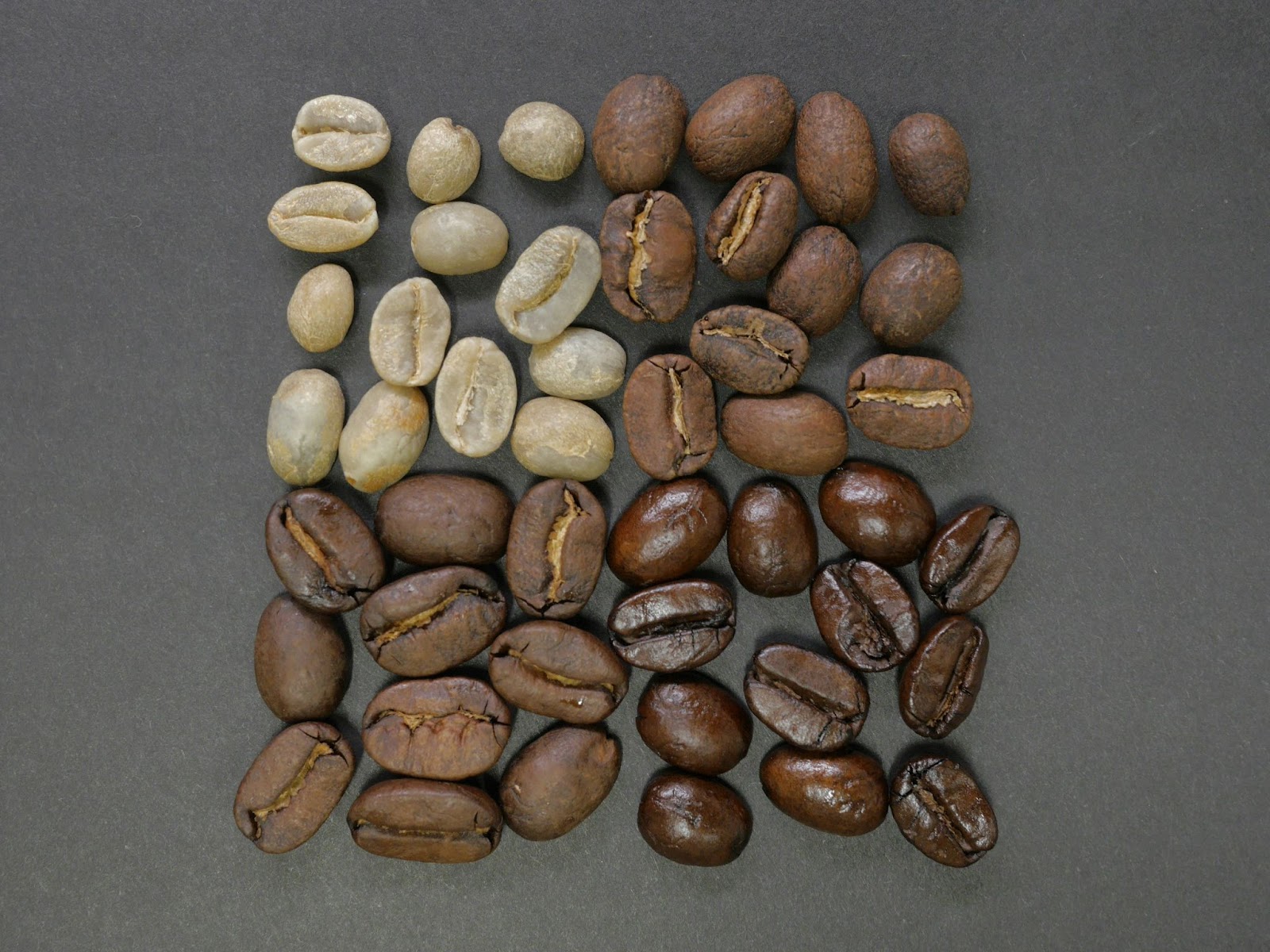
The quality of ingredients in luxury vs affordable chocolates differentiates their outcome. Luxury chocolates use higher-quality cocoa beans that are rare and less easily available. Naturally, exclusivity ups their prices.
Premium chocolates also use fewer added ingredients like sugar, vegetable oils, and artificial flavors than mass-made cheap chocolates.
One taste of high-quality chocolate will show you what it feels like to experience rich, creamy decadence.
Processing and Creation
The fundamental process for high-end and inexpensive chocolate brands may be the same, but the steps, instruments, and time involved alter the results.
High-end chocolate manufacturers do not fast-track the fermentation process.
They roast their cocoa beans in small batches slowly and at lower temperatures to yield deep, complex, and natural flavors.
The refining and grinding sometimes happen manually to ensure a smooth and velvety texture.
The chocolates are conched (mixed and kneaded) continuously for 24h to 72h to let the flavor intensify and create a monotonous richness.
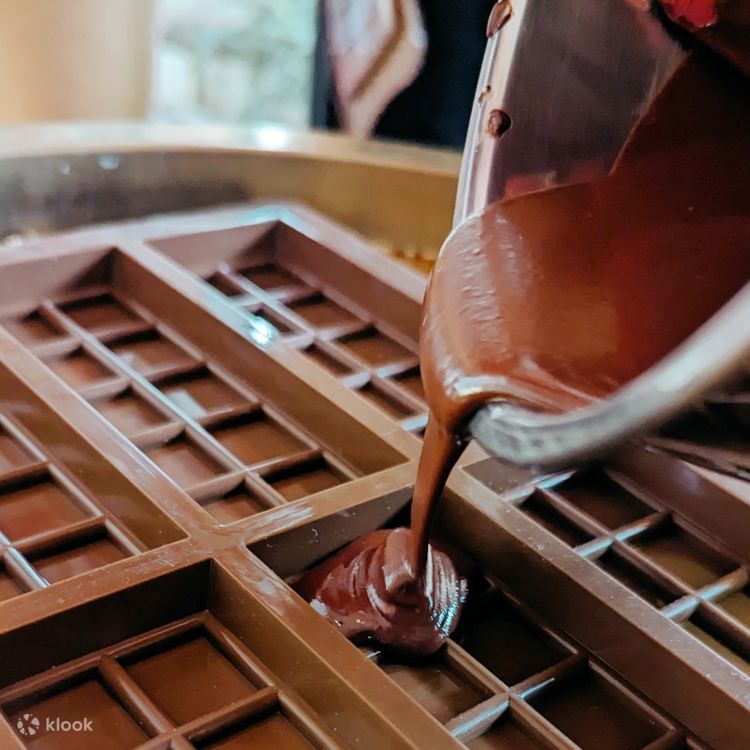
Luxury chocolates are tempered and molded such that their outer remains smooth and glossy without melting.
All these steps are rushed and sometimes even amiss in cheaper chocolates. Resulting in an inconsistent flavor, gritty and oily texture, and quick to melt.
From bean to bar, a good chocolate succeeds in evoking joy.
Percentage of Cocoa
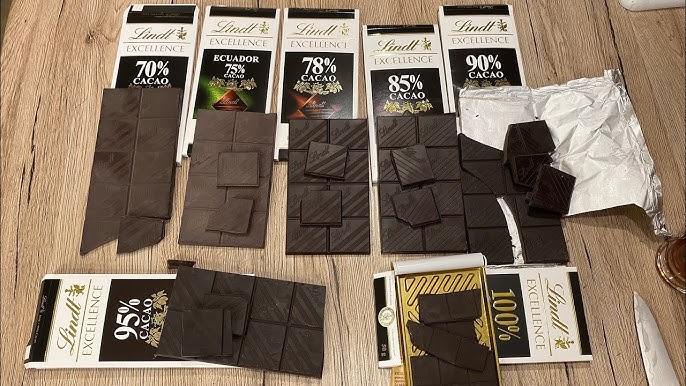
Ever wonder why most expensive chocolates indicate the percentage of cocoa on their packaging? Because the more % of cocoa used, the higher the chocolate’s quality, richness, and nutritional value. (Yes, chocolate can be healthy too!)
Dark chocolate (ones with more cocoa %) is more expensive than regular, milky chocolate because of the ratio of cocoa vs other ingredients. Thus, the heftier price tag.
Dark, milk, or white - every chocolate brings its unique flavor profile for your taste buds to explore.
Are Luxury Chocolates Better Than Affordable Chocolates?
In our opinion - some are, and some are not. It all depends on your taste in chocolates.
However, the collective consensus is that cheap, unbranded, dollar-store chocolates are not the standard for chocolate. Affordable chocolate brands like Cadbury, Galaxy, Nestle (Kit-Kat), etc are where the goodness begins.
February 20, 2025
liquid chocolate vs solid chocolate Many people are curious about the difference between liquid and solid chocolate. The main difference is ...
Many people are curious about the difference between liquid and solid chocolate. The main difference is in their cocoa content and melting points. Liquid chocolate melts easier, making it perfect for some uses.
Different chocolates have unique tastes and textures because of their cocoa content. Knowing about their melting points helps you pick the right chocolate for your needs.
Introduction to Chocolate Varieties
Choosing between liquid and solid chocolate depends on what you're making. There are many chocolate types out there. It's important to think about cocoa content and melting points to get the best results.
Key Takeaways
Liquid chocolate has a lower melting point than solid chocolate bars.
Cocoa content affects the taste and texture of different chocolate types.
Understanding melting points is crucial for choosing the right chocolate for a specific application.
Liquid chocolate is ideal for certain cooking and baking applications.
Solid chocolate bars have a higher cocoa content than liquid chocolate.
Chocolate types vary in their suitability for different recipes.
Understanding Different Forms of Chocolate
Chocolate comes in two main types: liquid and solid. Each type has its own special qualities. Liquid chocolate is great for recipes needing a smooth texture. Solid chocolate, on the other hand, is best for its deep, rich flavor profiles.
When it comes to textural differences, liquid chocolate is thinner and easier to pour. It's perfect for coatings and fillings. Solid chocolate, being thicker and more rigid, is ideal for molding into shapes. These texture differences greatly affect the taste and look of the final product.
Coatings for cakes and pastries
Fillings for chocolates and truffles
Drizzles for ice cream and desserts
But solid chocolate is better for:
Molding into bars and shapes
Creating chocolate decorations and designs
Adding texture and flavor to baked goods
Knowing the special traits of each form helps bakers and chocolatiers make a variety of tasty treats. These treats highlight the rich, complex flavors and textures of chocolate.
The Science Behind Chocolate States
Chocolate is a favorite treat with a complex science. It's important to know about melting points, crystal structures, and temperature control. These factors help us understand chocolate's unique properties.
The melting point of chocolate is key. It tells us how it melts and solidifies. The crystal structures formed when it cools also matter. They affect the texture and look of chocolate. By managing the temperature during making, chocolate makers can create many different products.
Here are some key factors that influence the science behind chocolate states:
Melting points: The temperature at which chocolate melts and solidifies
Crystal structures: The arrangement of molecules that affects the texture and appearance of chocolate
Temperature control: The process of regulating temperature to achieve the desired properties in chocolate
Understanding chocolate's science helps both makers and fans. Whether you're a pro chocolatier or a home cook, knowing about melting points, crystal structures, and temperature is crucial. It lets you make a variety of tasty chocolate treats.
Manufacturing Processes of Liquid Chocolate and Solid Chocolate Bars
Chocolate making is a detailed process that needs precision. It starts with cocoa bean processing and ends with the final product. Quality control is key to get the right taste, texture, and look.
Advanced techniques help control temperature, sugar, and cocoa butter levels. Temperature control is vital because it affects the chocolate's texture. By adjusting the temperature, producers can make different types of chocolate.
Quality control is a big part of chocolate making. Manufacturers test the chocolate's chemical makeup, texture, and taste. This ensures their chocolate meets high standards.
Liquid chocolate production uses special equipment like tempering machines and heat exchangers.
Solid chocolate bar making uses molding machines and conveyor belts for shaping and packaging.
Temperature control is crucial for both liquid and solid chocolate, affecting their texture and taste.
Understanding chocolate production helps manufacturers improve their techniques. They can make better liquid and solid chocolate bars. Quality control and advanced techniques allow for a variety of products, from smooth liquid chocolate to rich solid bars.
Culinary Applications and Uses
Chocolate is a key ingredient in baking, cooking, and dessert making. It brings a rich flavor to many dishes. From cakes and cookies to sauces and toppings, chocolate makes any dish special.
In baking, chocolate is essential. It's used in everything from classic cookies to fancy wedding cakes. This shows how versatile and loved chocolate is in the kitchen.
In cooking, chocolate adds depth to savory dishes like mole sauce or chili. It's also great for making desserts, like chocolate-covered strawberries or bananas. For dessert lovers, chocolate is a dream ingredient, offering endless creative possibilities.
https://youtube.com/watch?v=HxbHl68_YQQ
Making chocolate ganache to top cakes and cupcakes
Adding cocoa powder to spice rubs for meats and vegetables
Creating chocolate sauces to serve over ice cream or pancakes
Chocolate has many uses in dessert making and cooking. Its rich flavor and versatility make it a must-have in many kitchens. It's a key ingredient for creating delicious treats.
Taste Profile Comparison
Chocolate taste can change a lot depending on if it's liquid or solid. Liquid chocolate often tastes more intense because it has more cocoa. Solid chocolate bars, on the other hand, have a balanced taste with sweet and bitter notes.
The texture of liquid and solid chocolate is also different. Liquid chocolate feels smooth and velvety on your tongue. Solid chocolate bars are firmer but melt in your mouth. This texture difference can make liquid chocolate feel more luxurious.
Some key differences in the taste profiles of liquid and solid chocolate include:
Flavor intensity: Liquid chocolate tends to have a more intense flavor than solid chocolate bars.
Texture: Liquid chocolate has a smooth, velvety texture, while solid chocolate bars have a more rigid texture.
Mouthfeel: The mouthfeel of liquid chocolate is often described as luxurious and decadent, while solid chocolate bars have a more balanced mouthfeel.
Overall, comparing the taste of liquid and solid chocolate shows their unique qualities. By knowing these differences, chocolate fans can enjoy the special flavors, textures, and mouthfeels of each type.
Storage and Shelf Life
Keeping chocolate fresh is key. The right storage can make a big difference. Storing it in a cool, dry spot helps keep its taste and texture good.
The type of chocolate also plays a role. Some types last longer than others. For example, dark chocolate often lasts longer than milk chocolate.
Using techniques like vacuum-sealing or wrapping in plastic can help chocolate last longer. Storing it in an airtight container is also a good idea. This keeps it fresh for more time. Remember, chocolate can pick up smells and tastes from other foods, so keep it away from them.
Here are some tips for storing chocolate:
Keep it away from sunlight and heat
Store it in a cool, dry place like a pantry
Use airtight containers or plastic wrap to keep it fresh
Freeze it to make it last even longer
By following these tips, you can keep your chocolate fresh for longer. Whether it's liquid or solid, proper storage is crucial. It helps preserve its taste, texture, and shelf life.
Nutritional Comparison Between Forms
Choosing between liquid and solid chocolate means knowing their nutritional values. Both have health benefits and dietary considerations. Liquid chocolate has more calories than solid chocolate because of added ingredients and processing.
Solid chocolate bars are better for those watching their fat intake. They have less fat than liquid chocolate. But, it's important to watch the sugar levels in both, as too much sugar is bad for health.
Here are some key points to consider when evaluating the nutritional values of liquid and solid chocolate:
Caloric content: Liquid chocolate tends to be higher in calories than solid chocolate.
Fat content: Solid chocolate bars generally have lower fat content than liquid chocolate.
Sugar levels: Both forms of chocolate can be high in sugar, but liquid chocolate often contains more added sugars.
In conclusion, knowing the nutritional values and health benefits of both liquid and solid chocolate is key. By understanding their dietary considerations, you can enjoy your favorite chocolate while keeping your diet balanced.
Professional Uses in Bakeries and Restaurants
In the world of commercial baking, chocolate is key to making tasty treats. Professional chefs in the culinary industry use top-notch chocolate for special desserts. They make everything from cakes and pastries to truffles and sauces with it.
For commercial baking, chefs often choose liquid chocolate. It's easy to melt and shape, great for designs. Solid chocolate, on the other hand, is loved for its flavor and texture. It's perfect for baking cakes, cookies, and more.
In the culinary industry, chefs are always finding new ways to use chocolate. They make chocolate sauces, pair it with spices, and create fancy designs. This creativity helps them make desserts that stand out.
Some favorite ways to use chocolate in commercial baking include:
Creating intricate chocolate designs and patterns
Making rich and decadent chocolate sauces and glazes
Pairing chocolate with unique ingredients like spices or herbs
Crafting unique and delicious desserts like truffles and cakes
Home Usage Tips and Tricks
Working with chocolate in home baking requires some knowledge. Understanding chocolate techniques like melting and tempering is key. Melting chocolate needs care to avoid it becoming too hot and seizing up.
To melt chocolate right, use a double boiler or short microwave bursts. Stir well between each heating. Tempering chocolate gives it a glossy finish. It involves heating and cooling the chocolate to a specific temperature.
With practice, tempering chocolate becomes easy. This skill is crucial for making beautiful chocolate treats. For better cooking tips, check out online tutorials, videos, cookbooks, and baking blogs. They offer great ideas and techniques.
Using high-quality chocolate is essential for the best taste and texture. Always follow recipes carefully and avoid overmixing. This prevents the chocolate from becoming tough and grainy. With patience and practice, anyone can become a skilled home baker and make delicious chocolate treats.
Conclusion: Choosing Between Liquid and Solid Chocolate
Choosing between liquid and solid chocolate comes down to personal taste and what you're making. Both types have their own special flavors and textures. They can make your cooking and baking even better.
Liquid chocolate is great for a deep chocolate taste and a silky feel. It's perfect for sauces, ganaches, and rich desserts. Solid chocolate bars, on the other hand, have a nice snap and a strong cocoa taste. They're perfect for snacks, baking, and making detailed chocolate dishes.
So, whether you pick liquid or solid chocolate depends on what you like and what you're making. Try both to see which one works best for you. This way, your chocolate dishes will be even more amazing.
FAQ
What is the difference between liquid chocolate and solid chocolate bars?
Liquid chocolate and solid chocolate bars are two different types of chocolate. Liquid chocolate is melted and pourable. Solid chocolate bars are firm and pre-shaped.
How is the chemical composition of liquid chocolate different from solid chocolate bars?
Liquid chocolate has more cocoa butter, making it smooth and fluid. Solid chocolate bars have more cocoa solids, giving them a richer flavor.
What are the manufacturing processes involved in producing liquid chocolate and solid chocolate bars?
Making liquid chocolate involves roasting, grinding, and conching. This process makes it smooth. Solid chocolate bars are made by tempering and molding the chocolate into shapes.
How do the culinary applications and uses of liquid chocolate and solid chocolate bars differ?
Liquid chocolate is great for baking and desserts. It's also good as a topping or dipping sauce. Solid chocolate bars are perfect for snacking, baking, and adding to recipes.
What are the key differences in the taste profile and mouthfeel between liquid chocolate and solid chocolate bars?
Liquid chocolate tastes more intense and concentrated. Solid chocolate bars have a balanced taste. Liquid chocolate is smooth and velvety, while solid chocolate bars are more substantial.
How do the nutritional values of liquid chocolate and solid chocolate bars compare?
The nutritional values of both can vary. Solid chocolate bars might have more calories and fat due to added ingredients. Liquid chocolate has slightly less, but portion sizes matter.
How should liquid chocolate and solid chocolate bars be stored and what are their respective shelf lives?
Store liquid chocolate in a cool, dry place. Use it quickly because of its high fat content. Solid chocolate bars can last longer in a cool, dry place, away from sunlight and heat.
February 20, 2025
The Science of Chocolate Chocolate deeply affects our mood and brain chemistry . It's a topic that's both fascinating and complex. ...
Chocolate deeply affects our mood and brain chemistry. It's a topic that's both fascinating and complex. By looking into chocolate's core components and how they interact with our brain, we can understand its mood and cognitive effects.
Studies show chocolate can greatly influence our brain chemistry. This, in turn, impacts our mood and how we think. The mood effects of chocolate are especially interesting. They can help lower stress and boost our overall happiness, which ties back to brain chemistry.
The Introduction to Chocolate Science
If you love chocolate or just want to learn more about it, this journey is for you. We'll explore the deep connection between chocolate, our brain, and our well-being. This includes how chocolate affects our mood and brain chemistry.
Key Takeaways
Chocolate can have a significant impact on our brain chemistry and mood.
Understanding the core components of chocolate can help us uncover its effects on our mood and cognitive functions, including chocolate effects on mood.
Chocolate effects on mood can help to reduce stress and improve our overall well-being, related to brain chemistry.
Research has shown that chocolate can affect our brain chemistry, including the release of neurotransmitters that regulate our mood.
The relationship between chocolate, our brain, and our overall well-being is complex and multifaceted, involving brain chemistry and chocolate effects on mood.
The Science of Chocolate: A Brief Introduction
Chocolate has been loved for centuries, with a history that goes back to ancient times. It starts with the cacao bean and ends with its effects on our brain chemistry. Theobromine is key in how chocolate affects our mood and brain function. Knowing what chocolate is made of and its history helps us understand its impact on us.
Chocolate was prized not just for its taste but also for its health benefits and mood effects. Ancient people knew its special properties, which interacted with neurotransmitters in the brain. The story of chocolate is rich and shows its big role in human culture and health.
It interacts with neurotransmitters like serotonin and dopamine.
It can change our mood and how we think.
Its long history and cultural value show its importance in society.
We'll dive deeper into these points. This will help us understand the complex links between chocolate, theobromine, and neurotransmitters. And how they affect our health and well-being.
Chemical Composition of Chocolate
Knowing what's in chocolate is key to understanding its health and mood effects. Chocolate's components, like flavonoids, greatly influence its impact on our brain. The sugar in chocolate also plays a big role in its overall effect on us.
The mix of these elements can greatly affect our mood, thinking, and health. For example, flavonoids in chocolate are good for our heart and brain. But, too much sugar in chocolate can be bad for our health. So, it's important to eat chocolate in small amounts.
Some important parts of chocolate are:
Flavonoids: These compounds are good for our heart and brain.
Sugar content: Too much sugar is bad for our health, so we should eat chocolate carefully.
Cocoa solids: These solids have flavonoids and other compounds that affect our health and mood.
By knowing what's in chocolate, we can choose better chocolate. Whether you like dark, milk, or white chocolate, knowing the ingredients helps us enjoy it responsibly.
The Power of Theobromine in Chocolate
Theobromine is a key part of chocolate and affects our mood and heart rate. It works differently than caffeine, giving us a feeling of calm and satisfaction. This is why chocolate can make us feel so relaxed.
Compared to caffeine, theobromine stays in our system longer. It's broken down slowly, so we feel its effects for a longer time. This makes theobromine a great choice for those looking for a calm and focused feeling.
To get the most out of theobromine, it's important to eat chocolate safely. Choose dark chocolate, which has more theobromine and less sugar than milk chocolate. This way, you can enjoy the mood-boosting effects of theobromine without any negative side effects.
Key Considerations for Theobromine Consumption
Start with small amounts to gauge sensitivity to theobromine effects
Choose dark chocolate with at least 70% cocoa content for optimal theobromine levels
Be aware of potential interactions with other substances, such as caffeine or certain medications
By embracing theobromine and practicing safe chocolate consumption, individuals can unlock the full potential of this powerful compound. They can experience the unique benefits it has to offer.
Chocolate's Impact on Neurotransmitters
Chocolate deeply affects our brain chemistry, especially on serotonin and dopamine. These chemicals are key to our mood, hunger, and sleep. Eating chocolate can boost these neurotransmitters, making us feel happy and content.
The link between chocolate and neurotransmitters is intricate. Serotonin levels go up after eating chocolate, helping with depression and anxiety. Dopamine is linked to pleasure and reward. Chocolate's effect on dopamine can make us feel extremely happy.
Chocolate's influence on neurotransmitters includes:
Boosting serotonin to better our mood and reduce stress
Releasing dopamine for pleasure and reward
Impact on endorphins for overall well-being
Knowing how chocolate affects neurotransmitters helps us see its benefits and risks. Eating chocolate in small amounts can positively change our brain chemistry. This can improve our mood and overall health.
The Endorphin Connection: Why Chocolate Makes Us Happy
Chocolate is known for making us feel happy and relaxed. It's not just because it tastes sweet. Eating chocolate releases endorphins, which are natural mood boosters. This is why chocolate is a favorite treat for many when they want to feel better.
Chocolate triggers the release of endorphins, which give us a feeling of joy and calm. This is why many people feel happy and relaxed after eating chocolate. The brain's pleasure centers also play a part, making the experience of eating chocolate even more enjoyable.
The mix of endorphins and pleasure centers makes chocolate great for improving our mood. It releases endorphins and activates pleasure centers, helping us feel better and less stressed. This is why chocolate is often chosen when we're feeling down or stressed, as it quickly lifts our mood.
Natural Mood Enhancement
Chocolate's ability to release endorphins and activate pleasure centers makes it a natural mood booster. Dark chocolate, with its higher cocoa content, has a stronger effect on the brain.
The Role of Pleasure Centers
The activation of pleasure centers in the brain is key to chocolate's mood-enhancing effects. It creates a sense of pleasure and enjoyment that's hard to find with other foods.
Duration of Mood Effects
The mood-boosting effects of chocolate can last several hours, depending on the chocolate type and individual sensitivity. Generally, chocolate's effects on mood can last for hours, making it a great way to improve our mood and overall well-being.
Dark vs. Milk Chocolate: Different Effects on the Brain
The debate between dark and milk chocolate is intense. Dark chocolate is known for its heart health and brain benefits. Milk chocolate, on the other hand, has a unique nutritional profile.
Dark chocolate has more flavonoids than milk chocolate. Flavonoids boost brain function and improve blood flow. Dark chocolate also has less sugar, making it a guilt-free treat. Milk chocolate, with more sugar and fewer flavonoids, may not have the same brain benefits.
Here's a comparison of the two types of chocolate:
Dark chocolate: higher flavonoid content, lower sugar levels
Research shows dark chocolate can improve mood and brain function. Milk chocolate may have less of an effect. But, both can be part of a healthy diet.
In conclusion, the choice between dark and milk chocolate depends on personal taste. Dark chocolate, with its flavonoids and less sugar, is a nutritious treat. It can positively affect both body and brain.
Chocolate's Role in Stress Reduction
Many people reach for comfort foods when stressed, and chocolate is a favorite. Research shows chocolate can help lower cortisol levels. Cortisol is known as the "stress hormone" and can harm our health if too high.
Dark chocolate has flavonoids that help reduce stress. These compounds can lower cortisol, making us feel more relaxed. Eating chocolate can also offer emotional comfort, helping us cope with stress. But, it's important not to overdo it, as too much chocolate can be bad for our health.
Dark chocolate is better for stress relief because it has more flavonoids.
It's crucial to eat chocolate in moderation to avoid health problems.
Combining chocolate with activities like meditation or exercise can make it even more beneficial.
Understanding how chocolate affects stress can help us use it wisely. It can be a tool to manage stress and improve our well-being.
The Serotonin-Chocolate Connection
Research has found a strong link between serotonin and chocolate. Tryptophan, an amino acid in chocolate, is key. It's a building block for serotonin, which helps control mood. This shows chocolate might help with mood over time.
The way tryptophan turns into serotonin is complex. It involves many enzymes and nutrients. But studies show eating foods high in tryptophan, like chocolate, boosts serotonin. This is good for people with mood issues, like depression and anxiety.
Tryptophan Pathways
Tryptophan is an amino acid we need to eat because our bodies can't make it. Chocolate is full of tryptophan, making it good for serotonin. Other foods like turkey, fish, and eggs are also good sources.
Long-term Mood Regulation
How chocolate affects mood isn't fully understood. But research suggests it can improve mood over time. This is because of tryptophan and other nutrients in chocolate. Dark chocolate's flavonoids also help by reducing inflammation and improving brain blood flow.
In summary, the link between serotonin and chocolate is complex, with tryptophan being crucial. Knowing how tryptophan turns into serotonin and how chocolate supports this can help us make better diet choices. This supports mood regulation over the long term.
Chocolate Addiction: Myth or Reality?
Chocolate addiction is a topic of debate. Some see it as a real condition, while others think it's just a myth. To figure out if chocolate addiction is real, we need to look at the psychological and physical reasons behind chocolate cravings. Research shows that consumption habits are key in creating cravings, which can turn into chocolate addiction.
Studies reveal that eating chocolate activates the brain's reward system. This releases dopamine, making us feel good. This cycle of craving and eating can be hard to stop. Also, using chocolate as a reward or eating it when we're emotional can lead to chocolate addiction.
To understand chocolate addiction better, we must look at what causes it. Some factors include:
Genetic predisposition
Emotional eating
Stress and anxiety
Social and environmental factors
By knowing why we crave chocolate and how our consumption habits affect us, we can manage our chocolate addiction. Whether or not chocolate addiction is officially recognized, it's clear that consumption habits are a big part of it.
Health Benefits and Cognitive Performance
Chocolate offers many health benefits, especially for the brain. Dark chocolate, in particular, contains flavonoids. These can boost blood flow to the brain, enhancing memory and focus. This makes chocolate a great choice for supporting brain health over time.
Chocolate can positively affect cognitive performance in several ways:
Improving memory and recall
Enhancing focus and concentration
Supporting long-term brain health
Memory Enhancement Properties
Research shows that dark chocolate's flavonoids improve blood flow to the brain. This can lead to better memory and recall. It's especially beneficial for those at risk of cognitive decline or dementia.
Focus and Concentration Effects
Chocolate also boosts focus and concentration. Its caffeine and theobromine increase alertness and attention. This helps you stay focused and productive.
Long-term Brain Health
Chocolate is a fantastic addition to a diet focused on brain health. Adding dark chocolate can improve cognitive performance. It also reduces the risk of cognitive decline.
Understanding Chocolate Cravings
Chocolate cravings can be complex, often linked to emotional eating more than nutritional needs. Studies show that stress, anxiety, or feeling down often leads to chocolate cravings. This is because chocolate has compounds like phenylethylamine, which can lift our mood.
Looking into chocolate cravings, we see psychological factors at work. Some eat chocolate to cope with emotional eating, seeing it as a comfort. Others might crave it due to nutritional needs, like a magnesium deficiency found in chocolate.
Here are some key points to consider when it comes to understanding chocolate cravings:
Emotional eating can play a significant role in chocolate cravings
Nutritional needs, such as a lack of magnesium, can also contribute to cravings
Stress and anxiety can trigger chocolate cravings
Being mindful of eating habits and emotional state can help manage cravings
Conclusion: The Sweet Science of Chocolate's Mind-Body Effects
In the world of chocolate science, we've found out how it affects our mind-body effects and well-being. This treat does more than just taste good. It has many benefits for our health.
Chocolate can make us feel better by releasing chemicals like endorphins and serotonin. It can also help us think clearer and feel less stressed. By knowing how chocolate works, we can enjoy it in a way that's good for us.
As we finish this journey, let's not forget chocolate's lasting benefits. It shows how strong our bodies and minds can be. By learning about chocolate's mind-body effects, we gain a new respect for our health and find natural ways to feel better.
FAQ
What are the core components of chocolate and how do they affect the brain?
Chocolate has theobromine, flavonoids, and sugar. These interact with the brain, affecting mood and cognitive function.
How does theobromine, a key component in chocolate, compare to caffeine?
Theobromine elevates mood and increases heart rate, lasting longer than caffeine. Knowing this helps enjoy chocolate's benefits without side effects.
How does chocolate influence neurotransmitters like serotonin and dopamine?
Chocolate affects serotonin and dopamine, key for happiness. It can make us feel satisfied and happy.
What are the differences in the effects of dark and milk chocolate on the brain?
Dark chocolate has more flavonoids and less sugar, better for heart and brain. Milk chocolate's sugar content may affect mood and brain chemistry differently.
How can chocolate help with stress reduction?
Chocolate lowers cortisol and relaxes us, aiding in stress management. But, it's key to avoid overeating it to stay healthy.
What is the connection between serotonin and chocolate?
Chocolate contains tryptophan, aiding serotonin production. This shows chocolate's role in mood regulation over time.
Is chocolate addiction a real phenomenon?
Debate surrounds chocolate addiction, with some seeing it as real, others as a myth. Understanding cravings can shed light on this.
What are the health benefits and cognitive performance effects of chocolate consumption?
Chocolate boosts mood, memory, focus, and supports brain health. Its flavonoids are key to these benefits.
How can understanding chocolate cravings lead to healthier consumption habits?
Seeing cravings as emotional needs helps develop a healthier relationship with chocolate. This leads to more mindful eating.